Have you ever opened a message and seen HRU staring back at you? Your mind races for a second. Is it a typo? A secret code? Or just another piece of texting language that everyone else somehow already knows?
If you’ve felt that tiny flash of confusion, you’re not alone. Texting moves fast. New shortcuts appear almost weekly. And hru meaning in text is one of those abbreviations that shows up everywhere from casual chats with friends to quick check-ins with coworkers.
In this complete guide, you’ll learn exactly what HRU means, where it came from, how people actually use it, and how to reply like a pro. We’ll keep things clear, practical, and real-world focused so you can text with confidence.
Let’s dive in. 🚀
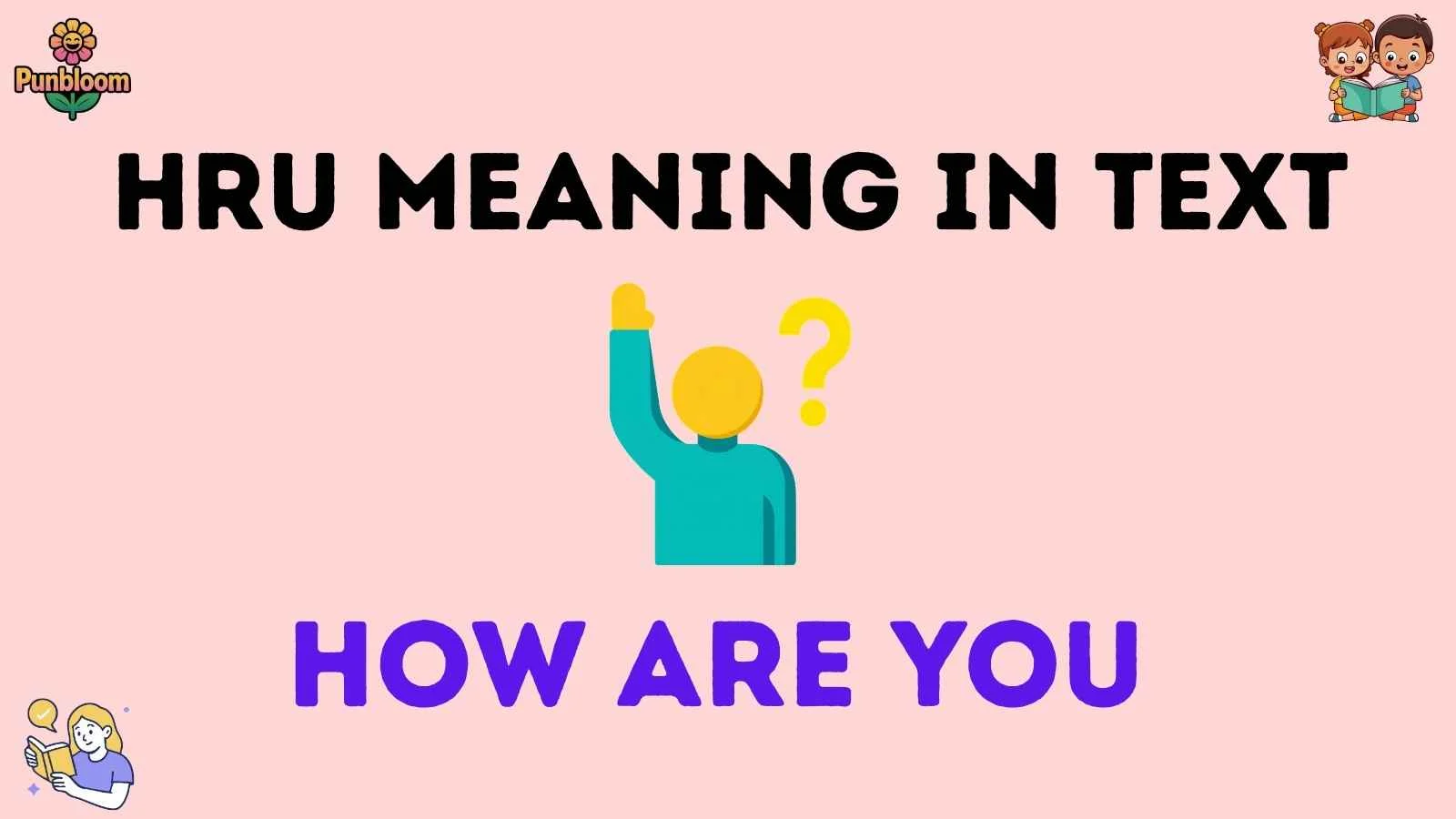
What Does HRU Mean in Text?
HRU stands for “How are you?”
That’s it. Simple, friendly, and direct.
People type HRU instead of writing the full phrase because it saves time and feels casual. In the world of texting, every letter counts—especially when you’re messaging on the go or juggling multiple conversations.
You’ll mostly see it in informal chats. Friends, family, and close acquaintances use it all the time. It’s warm without being overly formal. Think of it as the digital version of a quick smile and a “Hey, how’s it going?” when you bump into someone.
The beauty of HRU lies in its flexibility. It can open a conversation, check on someone after a long day, or simply keep a chat alive. Because it’s short, it feels low-pressure. The other person can reply with a quick “Good, you?” or launch into a longer update.
Why Do People Use HRU Instead of Writing the Full Phrase?
Speed and ease drive most texting abbreviations. Typing “How are you?” takes more effort than three letters. On a phone keyboard, those extra keystrokes add up—especially if you’re walking, waiting in line, or multitasking.
There’s also a social layer. Using HRU signals that the conversation is relaxed. It tells the other person, “We’re comfortable enough that we don’t need full sentences.” That subtle cue helps set the tone.
In group chats, HRU works as a gentle way to include everyone without forcing a long reply. Someone can answer briefly or skip it if they’re busy. The abbreviation keeps the energy light.
Finally, habits form quickly. Once a few people in your circle start using HRU, it spreads. Before long, it becomes the default way many of us check in.
The Origin and Rise of Texting Acronyms Like HRU
Texting language didn’t appear overnight. It grew out of early mobile phones with limited character counts and slow typing. People needed shortcuts. Acronyms and initialisms solved the problem.
HRU follows the same pattern as classics like BRB (be right back), LOL (laughing out loud), and TTYL (talk to you later). These abbreviations started in instant messaging rooms and SMS texts in the late 1990s and early 2000s. As smartphones became everyday tools, the language evolved and spread across apps like WhatsApp, Instagram, Snapchat, and iMessage.
What makes HRU special is its warmth. Many early acronyms focused on logistics or reactions. HRU focuses on connection. It asks about the other person’s state of mind or day. That emotional core helped it stick around even as character limits disappeared.
Today, younger generations and busy professionals both rely on it. The abbreviation has crossed age groups and platforms because the need it fills—quick, caring check-ins—never goes away.
How to Use HRU Naturally in Everyday Conversations
Using HRU well is about timing and context more than perfect grammar.
Start a chat with it after a gap in conversation. Reply to someone’s update with it when you want to shift focus back to them. Drop it into a group message when you want to open the floor without putting anyone on the spot.
Pair it with a greeting for a softer feel: “Hey! HRU?” or “Morning ☀️ HRU?”
You can also stack it with other short phrases: “HRU? Missed you yesterday” or “HRU after that long meeting?”
The key is matching the energy of the relationship. With close friends, HRU alone is often enough. With newer contacts or professional acquaintances, you might soften it: “Hope you’re doing well—HRU?”
Real Examples of HRU in Action
Here are everyday situations where HRU appears and how people typically respond.
Example 1 – Catching up with a friend You: “Hey! Long time no talk. HRU?” Friend: “Pretty good! Just survived a funny week at work. You?”
Example 2 – Checking in after something tough You: “Saw your post about the move. HRU holding up?” Friend: “It’s a lot, but I’m getting there. Thanks for asking 💙”
Example 3 – Group chat energy You: “Morning squad! HRU all feeling after last night?” Replies: “Dead 😴” “Surprisingly okay!” “Coffee is life right now”
Example 4 – Quick workplace check-in (casual team) You: “HRU after the client call?” Colleague: “Relieved it’s over. You handled that well.”
These examples show how HRU opens space for real answers without demanding them.
Common Variations and Related Text Abbreviations
Language loves to remix itself. HRU has close cousins that people mix and match.
- Hruu or hru? – Extra letters or the question mark add a softer, more curious tone.
- How r u – A slightly longer hybrid that still feels casual.
- How are u – Even closer to full words while staying short.
- Sup or Wyd – More casual openers that sometimes replace HRU.
- How’s it going abbreviated as hig (less common).
People also combine them: “HRU? Wyd later?” or “HRU and how’s the new job?”
Knowing these variations helps you read the room. A drawn-out “hruuu” often signals extra warmth or playfulness. A bare “HRU” can feel more neutral.
When HRU Works Best (and When to Skip It)
HRU shines in low-stakes, friendly settings. Use it freely with people who already text casually.
It works less well in formal emails, first messages to professionals, or serious conversations about heavy topics. In those cases, full sentences show more care and clarity.
Also consider the relationship history. If someone always writes full sentences, matching their style can feel more respectful. If they live in abbreviation land, HRU fits right in.
Cultural and generational differences matter too. Some older texters prefer complete phrases. Some international contacts may not recognize the acronym instantly. When in doubt, spell it out the first time and switch later.
Tips for Replying to HRU Like a Pro
A good reply keeps the conversation moving.
Keep it balanced. Answer briefly, then ask back: “Doing well, thanks! HRU?”
Share a small detail when you have energy: “Tired but happy—just finished a big project. You?”
Match the length. If they sent three letters, a novel-length response can feel mismatched. If they seem open, give more.
Use emojis thoughtfully. A simple 😊 or 💪 can add warmth without extra words.
If you’re not great, it’s okay to be honest without oversharing: “Been better, but hanging in. How about you?”
These small habits turn a quick check-in into real connection.
HRU vs Other Popular Greeting Abbreviations
Here’s a quick comparison to help you choose the right opener:
| Abbreviation | Full Meaning | Tone | Best For |
|---|---|---|---|
| HRU | How are you? | Warm, caring | Friends, check-ins |
| SUP | What’s up? | Casual, chill | Close friends, groups |
| WYD | What are you doing? | Curious, present | Making plans, catching up |
| HIG | How’s it going? | Friendly, neutral | Broader use |
| How r u | How are you? | Slightly softer | Mixed audiences |
HRU sits in the sweet spot between care and convenience. It’s more personal than “sup” and less specific than “wyd.”
Why Understanding Text Slang Matters in 2026
Communication keeps speeding up. New platforms and new habits appear constantly. Knowing common abbreviations like HRU helps you stay fluent without feeling left behind.
It also reduces small moments of friction. When you understand the message instantly, you reply faster and more naturally. That builds smoother relationships—personal and professional.
At the same time, balance is healthy. Overusing acronyms can make messages feel lazy or hard to follow for some people. The best texters mix short forms with clear full sentences depending on the moment.
Mastering tools like HRU is really about mastering flexibility. You gain options. You choose the right level of casual for each conversation.
FAQs:
What does HRU stand for in texting? HRU simply means “How are you?”
Is HRU formal or informal? It’s informal. Save it for casual chats with people who text that way.
How do I reply to HRU? Answer honestly and briefly, then ask the same question back to keep the chat going.
Can I use HRU at work? Only in very casual team chats where abbreviations are already normal. Otherwise, write the full phrase.
Is HRU still popular in 2026? Yes. It remains one of the most common friendly check-in abbreviations across messaging apps.
Conclusion:
HRU meaning in text is straightforward once you know it: a quick, caring way to ask “How are you?” It saves time, sets a relaxed tone, and opens the door for real conversation.
You’ve now seen how it started, how people use it daily, when it fits best, and how to reply with ease. The next time HRU pops up on your screen, you won’t hesitate. You’ll understand the intent and answer naturally.
Texting language will keep changing. New shortcuts will appear. The core need—to connect quickly and kindly stays the same. Abbreviations like HRU simply help us meet that need in a fast-moving digital world.
Keep practicing. Notice how different people use these shortcuts. Adjust your own style to match the relationship. Before long, reading and writing text slang will feel second nature.
If you found this guide helpful, explore more posts on texting trends, modern slang, and clear digital communication. Your next conversation just might go a little smoother. 💬

I’m Mason Walker, a professional content writer, SEO researcher, and digital publishing enthusiast committed to creating content that is accurate, engaging, and genuinely helpful. I believe every article should answer real questions, solve real problems, and provide readers with trustworthy information they can rely on.