Have you ever received a short message that ended with just two letters and left you smiling yet slightly unsure? Someone texts “Talk soon, ml” or “Thanks for everything ml,” and you wonder what those letters really mean. Is it a typo? A new code? Or a friendly sign-off everyone else already knows?
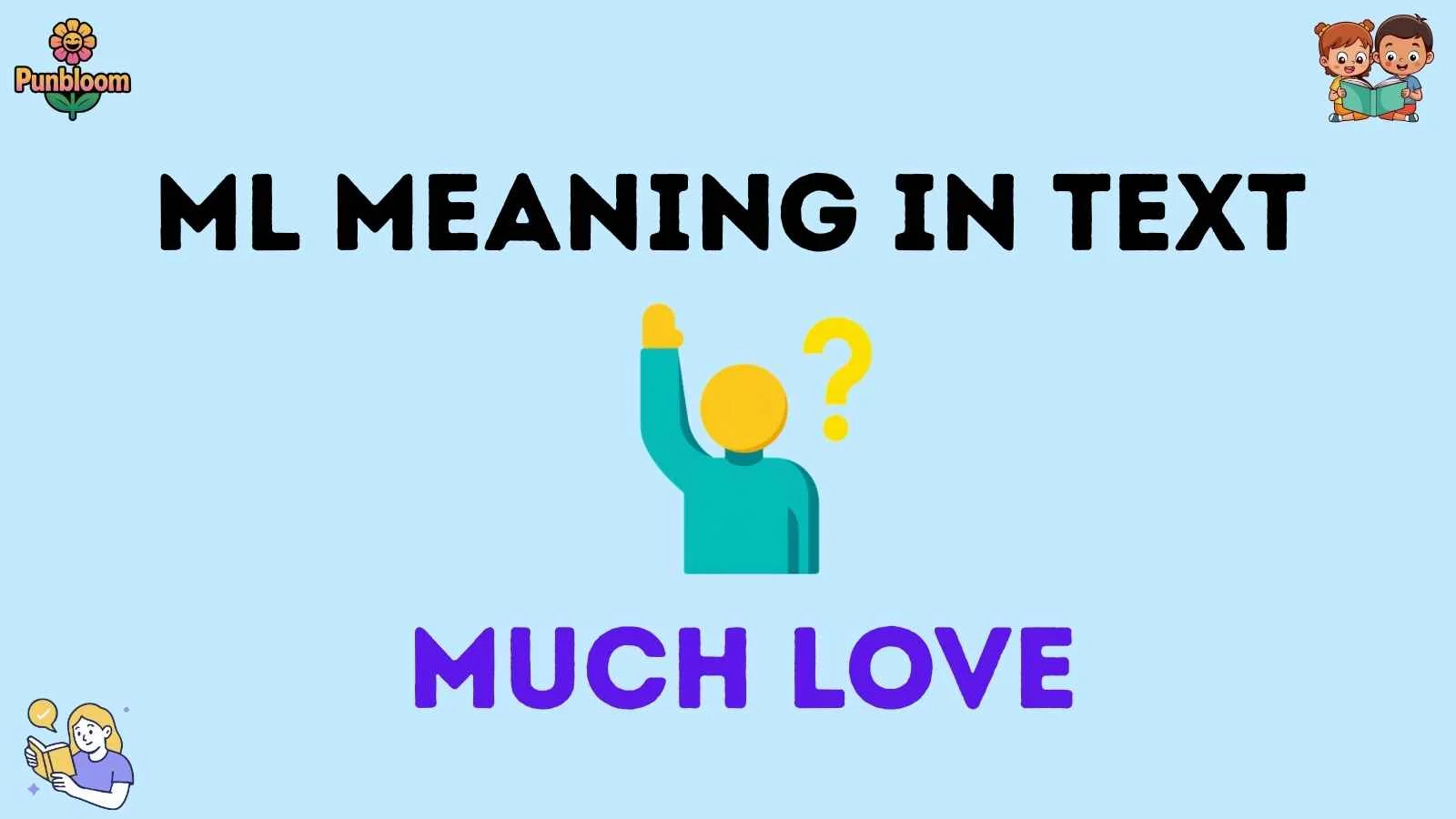
If short replies like that have ever made you pause, you are in good company. The ml meaning in text is simple and heartfelt. In most casual chats, ML stands for “much love” or “my love.” This tiny abbreviation adds warmth and affection without needing a long sentence.
In today’s fast-moving digital world, people look for quick ways to show care. That is why slang like ml appears so often across messaging apps, social media comments, and group chats. Understanding the ml meaning in text helps you read the emotion behind short messages and reply with the same friendly energy.
What Does ML Mean in Text?
The most common ml meaning in text is “much love.” People also use it for “my love.” Both versions carry a warm, caring tone.
It works like a digital hug at the end of a message. Instead of writing a full affectionate phrase, users send ml to close the conversation on a positive note.
You will usually see it in friendly or close relationships. Examples include:
- “Have a great day ml”
- “Miss you already ml”
- “Thanks for listening ml”
In most everyday chats the meaning stays clear from context. When the conversation feels supportive or personal, ml almost always signals affection or goodwill.
Occasionally ml can point to other ideas in specific groups, such as technical terms or private codes. Still, the dominant and safest reading in casual texting remains “much love” or “my love.”
Knowing the main ml meaning in text removes confusion and helps you catch the friendly intention behind short replies.
The Origin of ML in Texting Culture
Slang like ml grew from the practical need for speed and warmth at the same time.
Early mobile texting had character limits and sometimes cost money per message. People shortened common phrases to save space and time. Warm closings such as “much love” naturally became ml.
As free messaging apps spread, the habit stayed. Users liked how quickly they could add a caring touch. Young people and close friend groups adopted it first. From school chats and online communities it moved into wider social media and everyday conversations.
The rise of voice notes and busy group chats made short affectionate forms even more useful. A quick ml at the end of a long message still feels personal without taking extra effort. Over time the abbreviation became part of the shared language many people now understand at a glance.
This origin explains why the ml meaning in text feels so natural today. It started as a practical shortcut and stayed because it delivers real emotional value in a tiny package.
How People Actually Use ML in Everyday Conversations
Understanding the definition is only the beginning. Seeing how people use ml in real chats makes the meaning stick.
Most of the time ml appears at the end of a message as a warm sign-off. It softens the tone and shows care.
Common situations include:
- Ending a supportive conversation
- Closing a thank-you message
- Saying goodbye after a meaningful chat
- Adding affection in daily check-ins
The tone stays light and positive. ML rarely appears in formal writing or professional emails. It belongs in relaxed digital spaces where people already share a comfortable relationship.
People often pair ml with emojis or other short forms. You might see “ml ❤️” or “talk later ml.” These combinations keep the message short while boosting the friendly feeling.
Reading the full sentence almost always reveals the correct intention. When the words around ml feel caring or personal, the abbreviation signals warmth.
Real-Life Examples of ML in Text Messages
Examples turn abstract knowledge into practical understanding. Here are several realistic conversations that show the ml meaning in text in action.
Example 1 – Friendly check-in Friend A: “Hope your day is going okay.” Friend B: “It is, thanks for asking ml 😊”
Example 2 – After receiving help Person 1: “I really appreciate you listening earlier.” Person 2: “Anytime. Take care ml”
Example 3 – Group chat goodbye Member: “Gotta run, talk tomorrow everyone.” Another member: “Bye! ml”
Example 4 – Close relationship Texter: “Miss you today.” Reply: “Miss you too ml 💕”
Example 5 – Supportive message User: “You got this, don’t stress too much.” Comment: “Thanks, needed that ml”
These examples show how naturally ml fits into caring conversations. The abbreviation adds a soft closing without slowing the chat down.
ML Compared to Other Common Text Abbreviations
Many short forms live in the same texting family as ml. Seeing the differences helps you choose the right one and avoid mix-ups.
| Abbreviation | Full Meaning | Typical Use | Tone |
|---|---|---|---|
| ml | Much love / My love | Warm sign-off or affectionate reply | Caring |
| ily | I love you | Stronger declaration of love | Emotional |
| xoxo | Hugs and kisses | Playful affectionate closing | Light |
| ty | Thank you | Showing gratitude | Polite |
| yw | You’re welcome | Replying to thanks | Friendly |
| ofc | Of course | Agreeing or offering help | Confident |
ML stands out because it offers gentle warmth without the intensity of “ily.” Using the comparison table above makes it easier to pick the most accurate short form for any mood.
When You Should Use ML (And When to Avoid It)
Knowing the right moment makes ml feel natural instead of forced.
Good times to use ml:
- Casual chats with close friends
- Family messages that already feel warm
- Supportive conversations
- Social media comments with people you know
- Daily check-ins where affection feels appropriate
Times to avoid ml:
- Formal emails or work reports
- Messages to bosses, clients, or teachers
- First conversations with new contacts
- Situations that need clear professional tone
- Any context where extra affection could feel out of place
When the relationship already feels comfortable and the mood is positive, ml works beautifully. In more formal or unclear situations, writing a fuller phrase removes any chance of misunderstanding.
Popular Variations and Creative Twists on ML
People love to personalize language, and ml is no exception.
Common variations include:
- ml ❤️ – adds visual warmth with a heart
- much love – the full version for extra emphasis
- ml always – shows ongoing care
- ml babe / ml bro – adds personal flair among close friends
- mlll – stretches the letters for playful emphasis
Some friend groups create private twists that only they understand. These creative uses stay fun as long as everyone shares the same meaning.
The basic ml meaning in text remains steady even when people add personal style.
Why ML Became So Popular in Digital Communication
Several practical reasons explain the lasting success of ml.
First, speed. Typing two letters is far faster than writing a full warm phrase. In busy chats that small saving feels valuable.
Second, emotional efficiency. ML delivers genuine care in a tiny package. It softens the tone without needing extra words.
Third, shared understanding. Once enough people know the ml meaning in text, the abbreviation becomes almost invisible. Readers catch the warmth instantly.
Fourth, flexibility. It works as a closing, a reply, or a gentle addition to almost any friendly message. That wide usefulness helps it stay relevant across many different conversations.
These factors together turned a simple shortening into everyday digital language that still feels personal.
Common Mistakes People Make With ML
Even popular slang can create confusion when used carelessly.
Mistake 1: Using ml with people who may not know the abbreviation. Fix: Switch to the full phrase with older relatives or new contacts.
Mistake 2: Sending ml in formal or professional settings. Fix: Save it strictly for casual digital chats.
Mistake 3: Overusing it until the warmth feels automatic rather than genuine. Fix: Mix in full sentences or different closings for variety.
Mistake 4: Assuming the meaning is always romantic. Fix: Remember that “much love” often simply means friendly care.
Mistake 5: Ignoring context and misreading the intention. Fix: Look at the full conversation before deciding the tone.
Avoiding these simple errors keeps your messages clear and friendly.
How ML Helps Build Positive Digital Relationships
Small affectionate replies carry real weight. When someone ends a message with ml, they close the loop with kindness. That tiny act builds goodwill over time.
In long-distance friendships or busy online communities, these small moments matter. They show that the other person noticed the conversation and wanted to leave a warm impression.
ML also reduces emotional distance. After a supportive chat, a quick ml makes the connection feel stronger without needing a long reply.
This is why mastering the ml meaning in text goes beyond vocabulary. It becomes a small tool for better digital manners and warmer relationships.
Tips for Using ML Like a Confident Texter
Want to sound natural every time? Try these practical tips.
- Match the energy of the original message.
- Add a simple emoji when you want extra warmth.
- Use ml mainly with people who already feel close.
- Switch to fuller phrases when the moment feels special.
- Watch how your friends use it and mirror their style.
These small habits make the abbreviation feel effortless rather than forced.
The Place of ML in Modern Texting Trends
Text slang changes constantly. New abbreviations appear while others slowly fade. ML has stayed strong because it solves a clear everyday need: a fast way to show care.
It sits comfortably alongside lasting forms such as “ily,” “xoxo,” “yw,” and “ty.” These survivors share one important trait—they remain useful across different age groups and platforms.
Even as voice messages and video chats grow more popular, short text replies still fill the gaps. People often share a long thought in a voice note and finish with a typed ml. The hybrid style keeps the abbreviation relevant and warm.
FAQs:
What does ml mean in text? In most casual messages, ml means “much love” or “my love.” It is a warm and friendly way to end a conversation.
Is ml the same as “I love you”? Not exactly. ML feels lighter and more general. “Ily” carries stronger romantic or deep emotional weight, while ml often simply shows care and goodwill.
Can I use ml with friends and family? Yes. It works well with close friends and family members who already chat casually. It adds a soft, positive closing.
Should I use ml in work messages? Only with very close colleagues who already text in a friendly style. In formal or professional settings, choose a fuller phrase instead.
Is ml still common in 2026? Yes. Despite new slang appearing regularly, ml continues to appear in everyday chats because it stays useful, short, and emotionally positive.
Conclusion:
The ml meaning in text is clear and heartfelt: it almost always stands for “much love” or “my love.” This two-letter abbreviation helps people close messages with warmth, keep conversations friendly, and show care without extra effort.
You now understand its origin, real examples, best moments to use it, common mistakes, variations, and place in modern digital language. Those two letters no longer need to cause confusion.
Next time you see ml in a message, you will recognize the friendly intention instantly. And when you want to leave a warm closing yourself, you can use it with confidence.
Keep exploring more texting slang and communication tips. The more you understand these small digital habits, the smoother and more enjoyable every conversation becomes.

I’m Mason Walker, a professional content writer, SEO researcher, and digital publishing enthusiast committed to creating content that is accurate, engaging, and genuinely helpful. I believe every article should answer real questions, solve real problems, and provide readers with trustworthy information they can rely on.